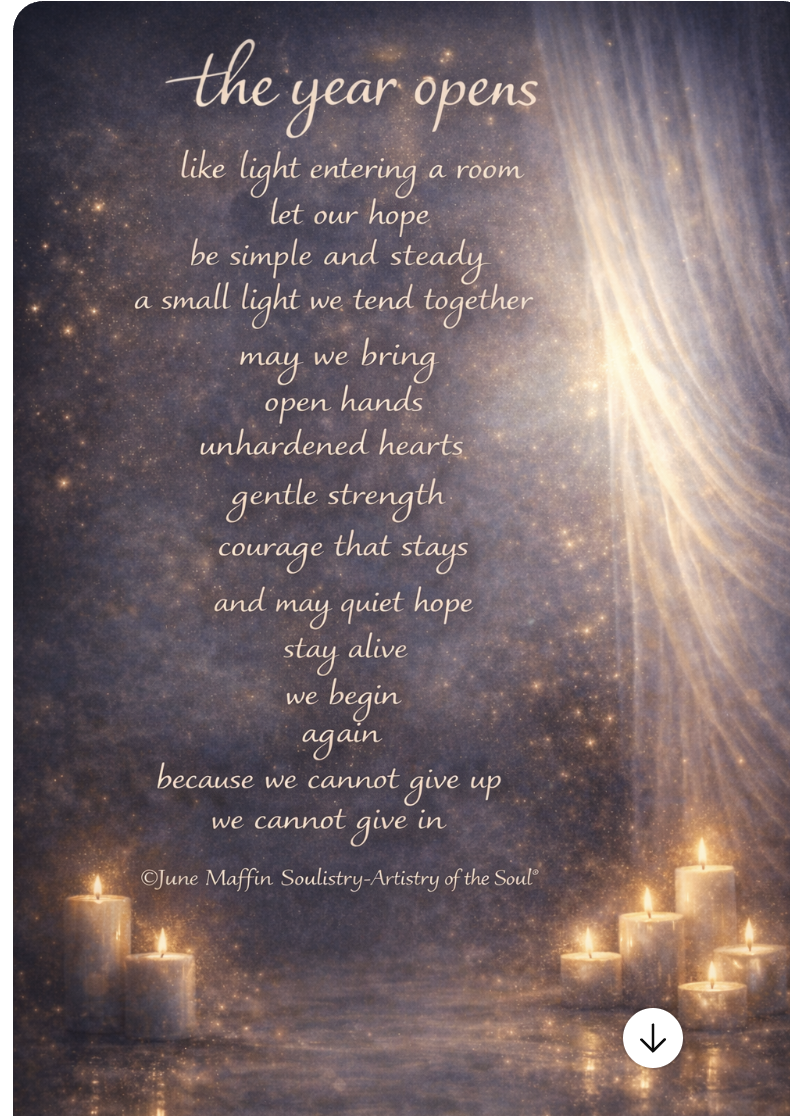
whether we welcome it … or not whether we dread it … or not whether we like it … or not the new year has opened and we begin again we must because we cannot give up because we cannot give in. Bring on the New Year! 2026!
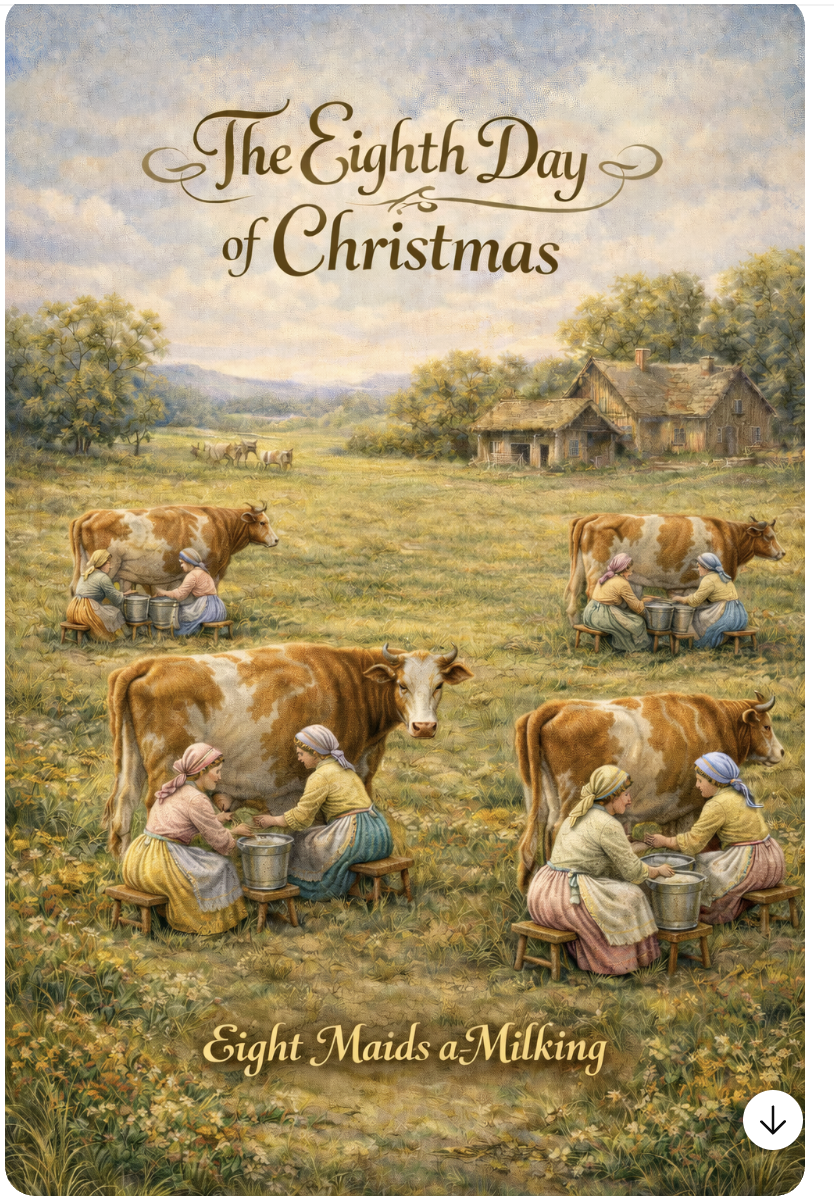
It’s January 1st. Happy New Year! And it is also the Eighth Day of Christmas.
On this day, while the ‘milking’ image (an image of nourishment) is front-and-centre, there are times when other images are associated with the milking image: being milked, fleeced, drained, exploited by friends, family, corporations, governments. When that happens, at the very least, our mind and our very soul / spirit can be compromised.
How can we disallow the latter which destroys our spirit, and encourage the former to nourish our spirit? Perhaps the words of Lady Macbeth in Shakespeare’s play offer thoughtful consideration: “Yet doe I feare thy Nature, It is too full o’ th’ Milke of humane kindnesse.”
When the ‘milk of human kindness’ (compassion, care of self and others, empathy etc.) is expressed, there is less room in our spirit for negative ‘milking’.
We live in a Universe of energy. It can be negative. It can be positive.
Each of us must determine – on what we focus our attention – on what we allow to preoccupy our thoughts – on what we let into our spirit.
Then, how about experiencing each emotion and ask … How long do I hold onto the anger? … Do I allow hatred to absorb my thoughts? … Do I let fear absorb my energy? … Do I withhold forgiveness?”
On this, the Eighth Day of Christmas and a New Year begins, may we express the ‘milk of human kindness’ in our thoughts, words, social media posts, actions, prayers so we can be part of the transformation that is so desperately needed in this world.
Happy Eighth Day of Christmas and Happy New Year! May the Twelve Days of Christmas be a reminder that Christmas isn’t just “one day” but can continue to be alive in hearts and lives every day – even beyond the Season of Christmas.
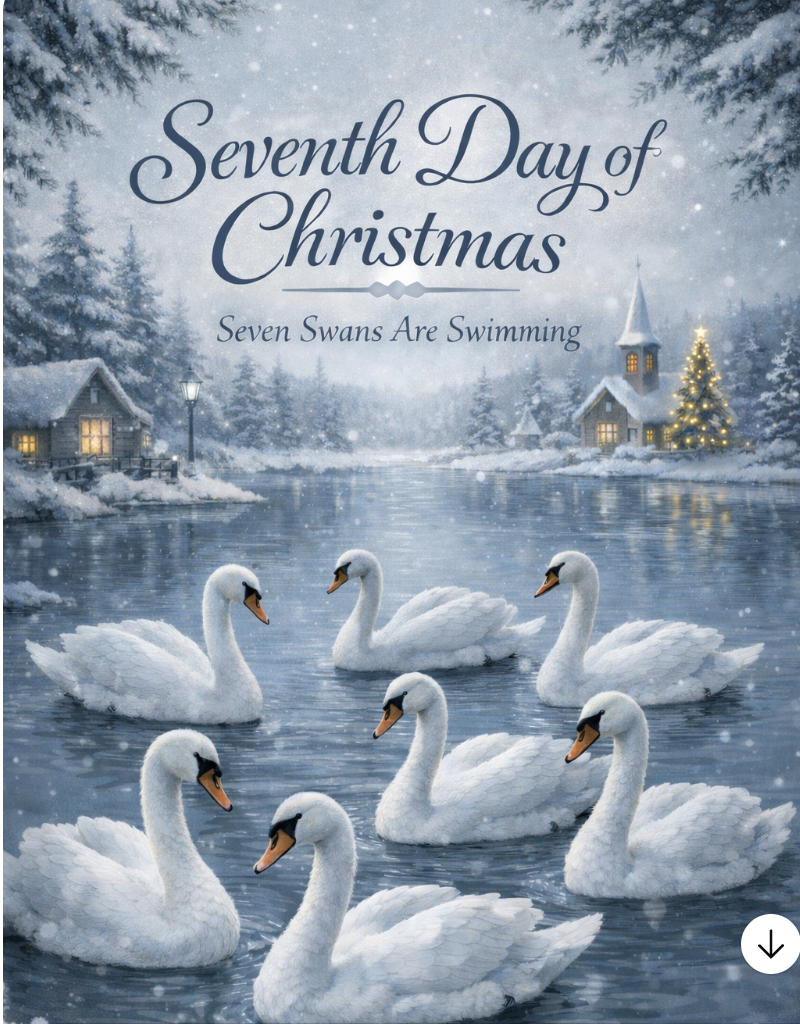
When the seven swans went swimming, what did they encounter … as they skimmed the surface of the water? … as they paddled through waves that threatened to engulf? … as they tried to stay afloat on the current that was driven by wind?
When we are swimming through life, what situations find us … skimming the surface of our feelings? … paddling through waves of fear that threaten to engulf? … staying afloat when life’s winds of physical pain, grief, loneliness, fear, surface and assault.
Tonight is New Year’s Eve Day. It’s a time when people hope and pray that the year’s difficulties, stresses, complications, wars – will no longer be present in the new year. It’s a time when the desire for personal transformation often motivates people to make New Year’s resolutions to develop a better work/life balance, improve relationships, change perception/behaviour.
Perhaps the seven swans a-swimming on this Seventh Day of Christmas can become a prompt to reflect on possibilities of personal transformation.
May this Seventh Day of Christmas be an encouragement to engage with our feelings, rather than skim the surface … discover ways to paddle through concerns we anticipate and encounter … stay afloat when life’s winds pummel us. As today is also New Year’s Eve, a separate “New Year’s Eve” Soulistry reflection will be posted today. So – Happy Seventh Day of Christmas/New Year’s Eve.
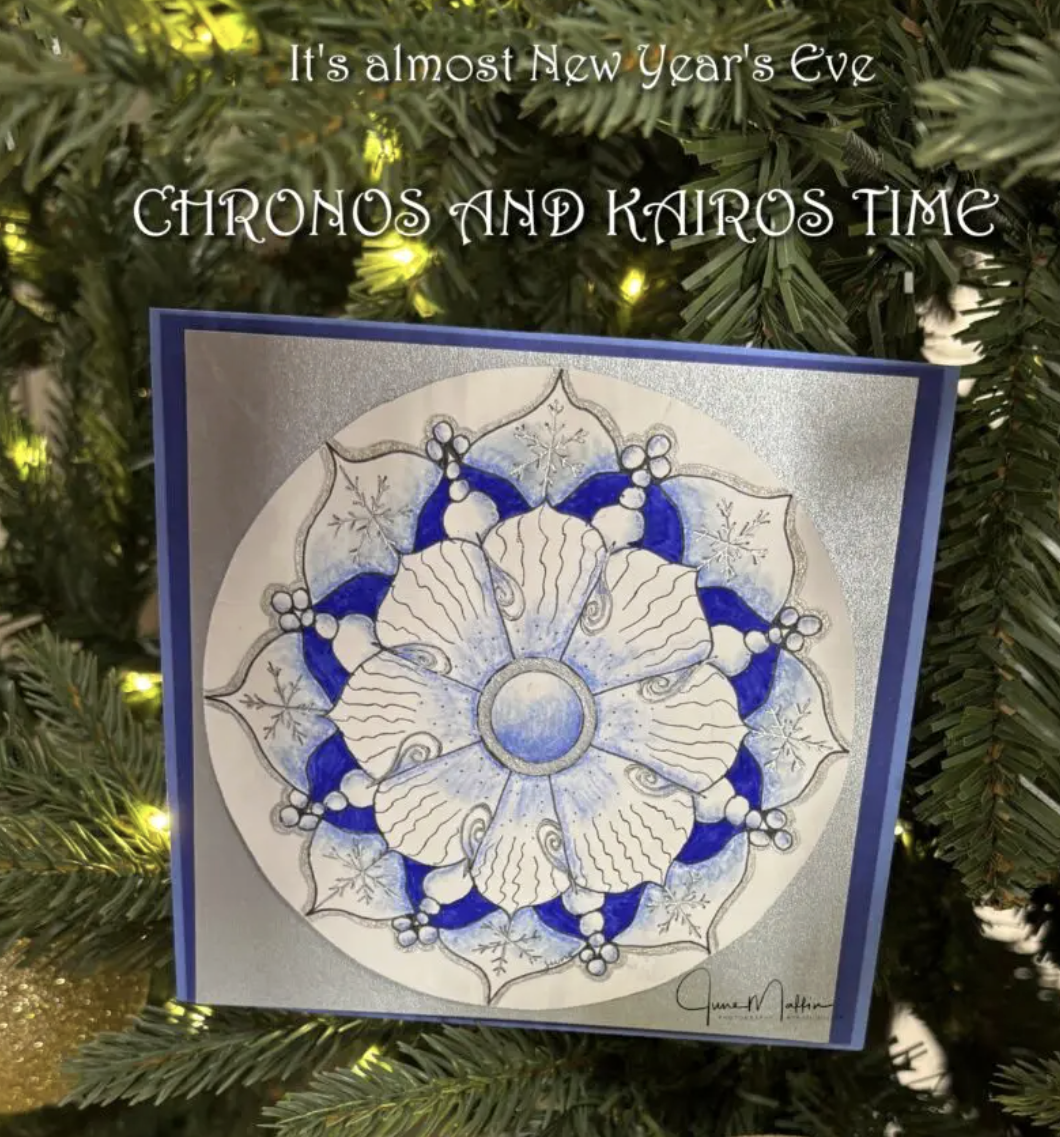
It’s “Almost New Year’s Eve”. And then … a New Year begins. How will you spend your time in the New Year? What will be done with the 24 hours of each day for the next 52 weeks … those precious 3,760 hours?
The Greeks used two words to explain the different dimensions of time: Chronos and Kairos.
Chronos refers to those chronologically-connected activities such as work school, volunteer events, meetings, medical appointments, doing the laundry, picking up the groceries, putting out the garbage, taking the children to their after-school activities, etc.
Kairos is elusive. It’s those treasured moments when we make time to simply “be”; when we get in touch with our true selves; when we see the ordinary about us and know, or at least wonder-about-the-possibility, that there is something/SomeOne greater than ourselves. Kairos is where challenge and opportunity meet and when creativity, compassion, love,spirituality interconnect.
Kairos refers to those moments we spend
sitting by the bedside of a sick child quietly reading a book
seeing a newborn baby
watching a caterpillar burst into a beautiful butterfly
noting the formation of clouds on the horizon
being reassured by the gentle purring of a cat or nuzzling of a dog
hearing a piece of music that sends shivers up our spine
receiving and giving a hug
having a smile returned by a stranger
enjoying the quiet prayer / meditation time in the tub or shower
being aware of the gift of our breath unassisted by mechanical means
holding the hand of someone who is dying
slowly eating a meal, truly tasting and appreciating the gift that it is
being away of the gift of our breath
creating something: a craft, painting, handmade card, anything
having fun in the kitchen: making jam, a casserole, or cookies you’ll share with another
gasping at the rainbow that arcs across the horizon
walking through a cemetery and being aware of the frailty and fragility of your life
laughing a deep, from the belly-kind-of-laugh
reading a portion of Scripture you’ve read countless times before or never having read before and having it
leap from the page with a meaning never before encountered or thought about
walking in and around a garden; planting, watering, weeding – gardening
receiving a gift from another who, for no reason, chose to bless your day by giving you a present of their
chronologica time or their kairos presence or material possession
hearing the word “inoperable” and giving love, creating happy and loving moments, being love to the one
about whom the word “inoperable” was pronounced
sitting in silence before the ocean or fireplace and hearing, in that silence, affirmation that you are a person that has been called into being.
Many are asking ’soul-questions’ these days, as concerns about our world (the wars, politics, personal/medical crises, climate change, gun control, treatment of refugees, abusive tweets by political leaders, on-line and in-person bullying, terrorism, the negativity, the anger, racism) overwhelm people, to the point that the ability to play, to delight in, to be amazed, to forgive, to be in awe, to be creative, to put love into action, seems to be lost.
Usually, we’re very good when it comes to the Chronos dimension of time. Some even have their New Year’s calendars already partially filled-in! However, the Kairos dimension seems to be more elusive. It doesn’t have to be.
As the New Year unfolds, let us make time to
smell the flowers
recognize healing and compassionate presence in another’s smile, touch, phone call, visit, letter, embrace, handshake, eye contact, tears
encounter intentional silence and solitude as ‘gift’
see beyond the immediate moment which might be one of stress, anxiety, fear
be mindful of a global connectedness: humanitarian concerns, climate change concerns, justice concerns.
What if, this coming year, we were intentionally and more intimately connected with Kairos, with our spirituality, might that
encourage us when we are discouraged?
bring healing to our world?
bring healing to ourselves?
move us into becoming more aware of the need of self-care and intentional moments of nurturing our spirituality and expressing ourselves creatively?
T.S. Eliot wrote that “Last year’s words belong to last year’s language. Next year’s words await another voice. To make an end is to make a beginning.” Amen. May it be so. Amen. Btw, ‘Amen’ is not necessarily ‘religious’. It simply means ‘May it be so.’
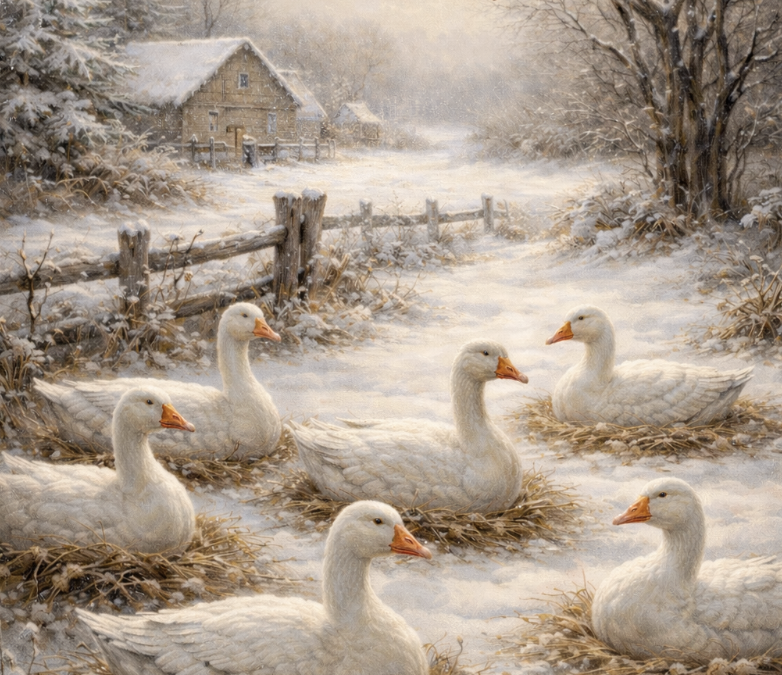
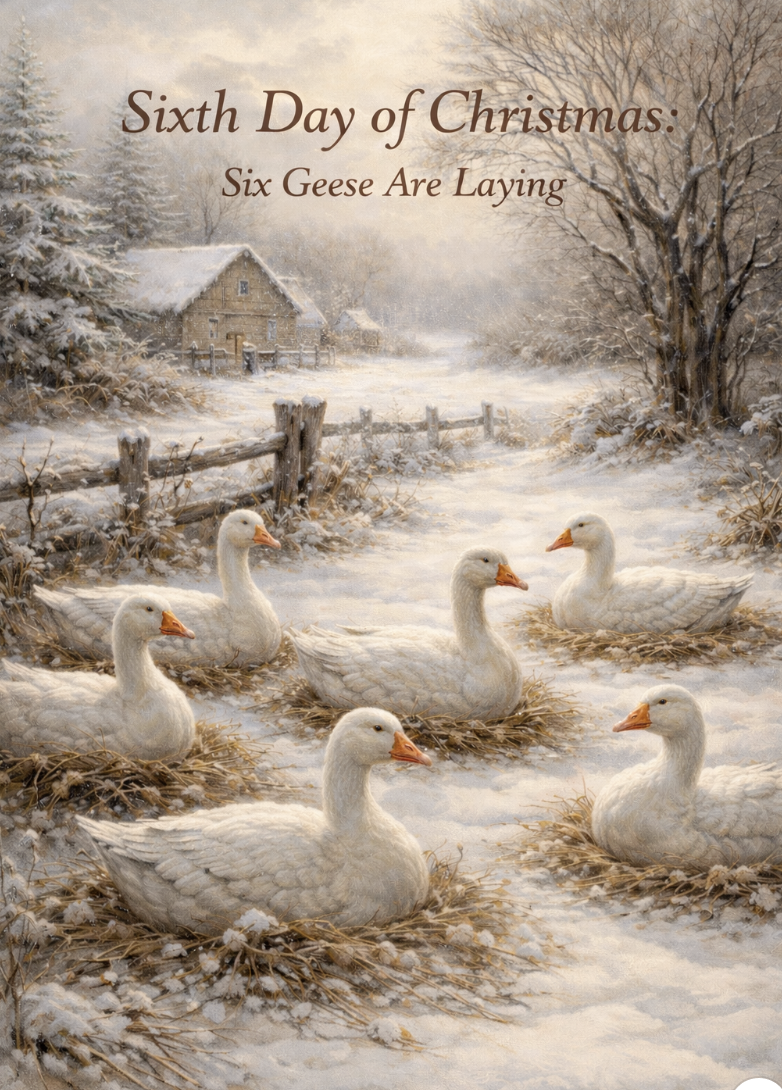
This day offers a gentle opportunity to reflect on the moments in our lives of birthing … aka “a-laying.” Consider the “a-laying” moments and situations when … a new idea was hatched … a unique thought came to mind … an alternative way of doing things emerged … a possibility became a reality … you realized that your ‘need to be needed’ took over your ‘need to care for yourself’ … taking “the road less travelled” challenged previous ways of thinking … ‘push came to shove’ and a decision was made … rebirth was experienced … ‘the light turned on’ inside and insight clarified the situation … your spirit was ignited with passion … you physically gave birth to another human being … your life was changed as you stood up for yourself or another
Consider the a-laying moments and situations when others were used to … gave you birth … drew you forth into creativity … breathed life into your hurts … taught you something you may not even have known at the time that you needed to know … brought healing to your body, mind, spirit … inspired you
On this, the Sixth Day of Christmas may we all ‘make’ time, not just ‘take’ time … to consider the “a-laying” opportunities this day brings.
As always, you are welcome to share with others and comment here.
And you are invited to subscribe to the 12 Days of Christmas series by going to the right hand top of this reflection. Subscribe to Blog via Email. Notifications of new reflections will come directly to you via email. https://soulistry.com soulistryjune.bsky.social
******************************************** The Soulistry Christmas reflection series is published each day during the Seasons of Advent, Christmas and Epiphany, May the Twelve Days of Christmas be a reminder that Christmas isn’t just “one day, but can continue to be alive in hearts and lives every day – even beyond the Season of Christmas.
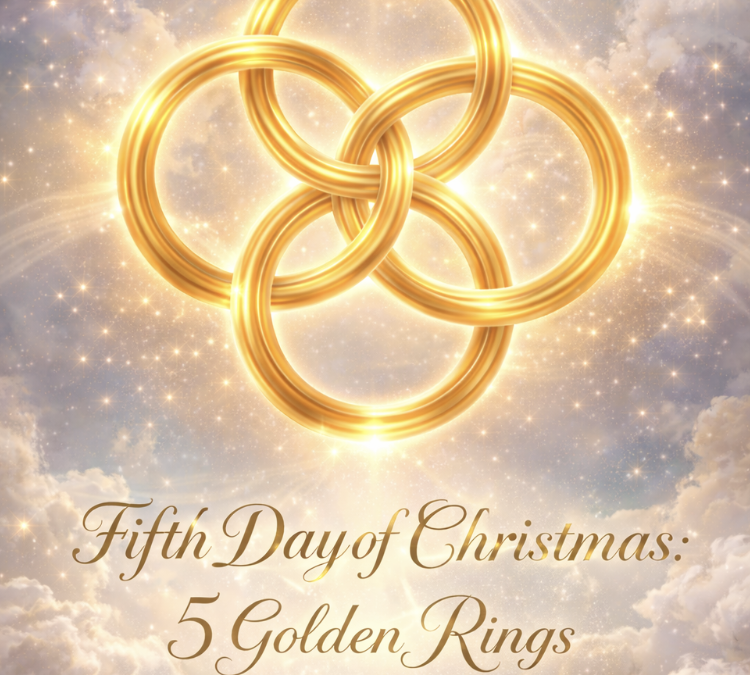
Have you ever wondered what the Five Golden Rings of the “12 Days of Christmas” song stood for?I have, but as there is no reference to them in the “Twelve Days of Christmas” song, here is some food-for-thought about what they might stand for.
May you be encircled by Five Golden Rings:
The Golden Ring of PEACE
… that passes intellectual understanding
The Golden Ring of JOY
… of living life to the fullest.
The Golden Ring of LOVE
… that is unconditional.
The Golden Ring of HOPE
… that never stops,
regardless of personal circumstances or global concerns.
And the Golden Ring of PATIENCE
for life to unfold
and remind us
of the importance of living in the ‘now’.
~~~~~~~~~~~~~~~~~~~
The Soulistry Christmas reflection series is published each day during the Seasons of Advent, Christmas and Epiphany. As always, you are welcome to share.